
Credit Score
Why Credit Score Is Important For Loan Approval
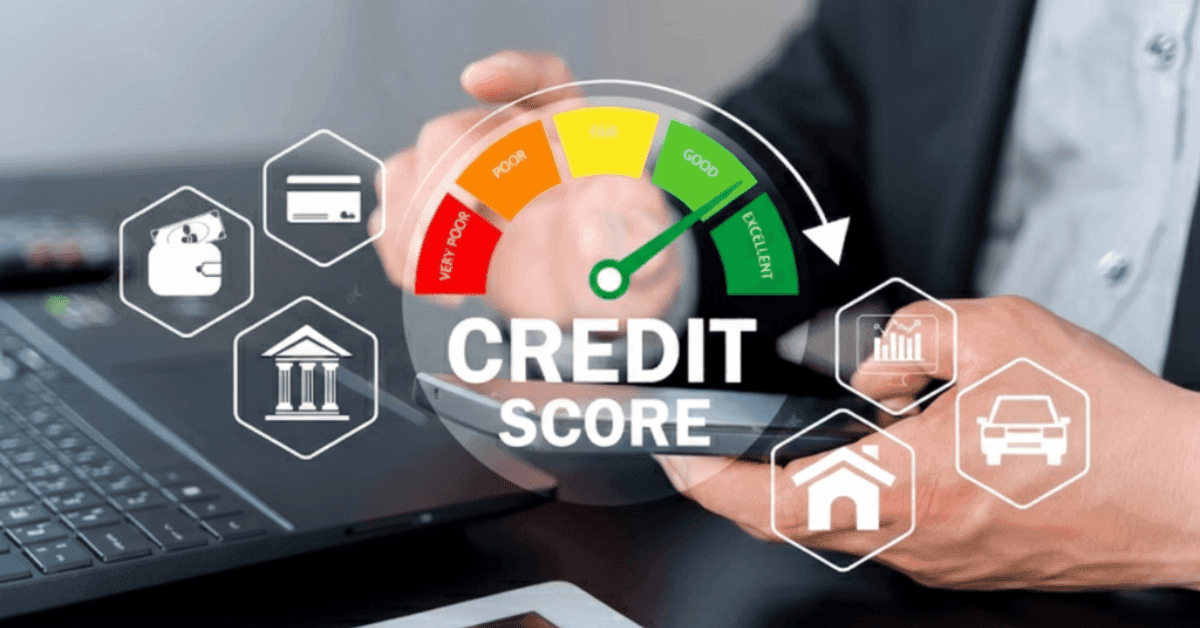
When applying for a loan, most borrowers focus on income, documents, and interest rates. However, one of the most important factors in the loan approval process is something many people overlook — their credit score.
Your credit score plays a crucial role in determining whether your loan application gets approved or rejected. It also impacts your interest rate, eligibility, and repayment terms. In this guide, we’ll explain why your credit score is so important, how it affects loan eligibility criteria, and how you can improve it before applying.
What Is a Credit Score?
A credit score is a three-digit number that represents your creditworthiness. It is based on your repayment history, credit usage, outstanding loans, and overall financial behavior.
In India, credit scores are commonly provided by agencies like CIBIL (TransUnion CIBIL). You can also get your free credit score from authorized platforms once a year.
You can check your score directly from the official TransUnion CIBIL website: www.cibil.com
Regularly checking your free credit score helps you understand your financial standing before applying for any loan.
Why Credit Score Is Important in the Loan Approval Process
Lenders use your credit score to evaluate risk. Simply put:
- Higher score = Lower risk
- Lower score = Higher risk
Here’s why it matters:
1. Determines Loan Approval or Rejection
One of the biggest loan rejection reasons is a low credit score. If your score falls below the required level, lenders may immediately reject your application.
In many cases, borrowers don’t realize the reason behind loan rejection until they review their credit report.
2. Impacts Loan Eligibility Criteria
Every lender has specific loan eligibility criteria, and credit score is a key component.
For example:
- A score above 750 is generally considered a good credit score range.
- A score between 650–749 may still qualify but with stricter conditions.
- A score below 650 may reduce your chances of approval.
Your score directly affects whether you meet the lender’s loan eligibility criteria.
If you’re unsure about eligibility, you can explore Finsbee’s
3. Affects Interest Rates
Even if your loan gets approved, your credit score impacts the interest rate.
- High credit score → Lower interest rate
- Low credit score → Higher interest rate
This means a poor score can increase your EMI and overall repayment burden.
Before applying, it is always advisable to check credit score online to avoid surprises during the loan approval process.
4. Reflects Importance of Credit History
Your credit score is built from your repayment behavior. This highlights the importance of credit history.
Lenders check:
- Timely EMI payments
- Credit card repayment history
- Outstanding debt
- Defaults or late payments
A strong credit history shows financial discipline, increasing your chances of approval.
You can learn more about how credit scores are calculated from Experian: www.experian.in
What Is Considered a Good Credit Score Range?
Understanding the good credit score range helps you plan better.
Typically:
- 750 – 900: Excellent
- 700 – 749: Good
- 650 – 699: Fair
- Below 650: Poor
If your score falls below the good credit score range, lenders may:
- Reduce your loan amount
- Increase interest rate
- Reject your application
That’s why checking your free credit score before applying is extremely important.
Common Loan Rejection Reasons Related to Credit Score
Many borrowers face loan rejection without understanding why. Some common loan rejection reasons include:
- Low credit score
- Irregular repayment history
- High credit utilization
- Multiple recent loan applications
- Past defaults or settlements
If you’ve faced a rejection, don’t panic. First, check credit score online, identify the issue, and take corrective steps before reapplying.
How to Improve Your Credit Score Before Applying
If your score is not within the good credit score range, here are practical steps to improve it:
1. Pay EMIs on Time
Late payments significantly impact your credit score.
2. Reduce Credit Card Utilization
Keep usage below 30% of your credit limit.
3. Avoid Multiple Loan Applications
Too many applications can negatively affect the loan approval process.
4. Clear Outstanding Dues
Pending debts can lower your score and lead to loan rejection.
5. Regularly Check Credit Score Online
Monitoring your report helps you detect errors and track improvements.
Why Checking Free Credit Score Before Applying Is Important
Many lenders now offer free credit score checks. Reviewing your score before applying helps you:
- Understand your standing
- Improve weak areas
- Meet loan eligibility criteria
- Reduce chances of loan rejection
- Negotiate better interest rates
A small step like checking your score can save you from rejection and higher borrowing costs.
How Lenders Use Credit Score in the Loan Approval Process
During the loan approval process, lenders typically:
- Check your credit score
- Verify income and employment
- Review credit history
- Evaluate existing liabilities
- Assess overall risk
Even if your income is strong, a poor credit score can lead to loan rejection.
That’s why maintaining a healthy credit profile is essential for faster approvals.
Final Thoughts
Your credit score is more than just a number — it is a financial report card that lenders use to judge your reliability.
Before applying for a loan:
- Check your free credit score
- Ensure it falls within the good credit score range
- Review your credit history
- Understand the loan eligibility criteria
- Address possible loan rejection reasons
Taking these steps will improve your chances in the loan approval process and help you secure better interest rates.
If you’re planning to apply for a loan, make sure your financial foundation is strong. A healthy credit score not only increases approval chances but also saves you money in the long run.
At Finsbee, we believe informed borrowers make better financial decisions. Check your eligibility, understand your credit standing, and apply confidently for loans that match your financial profile.