
Loan Guide
What Is Loan Balance Transfer? Benefits and Process
Managing a loan effectively is important for maintaining financial stability. Many borrowers start with a loan that initially seems affordable but later realize that the interest rate or repayment terms are not the most suitable. In such situations, a loan balance transfer can be a helpful option.
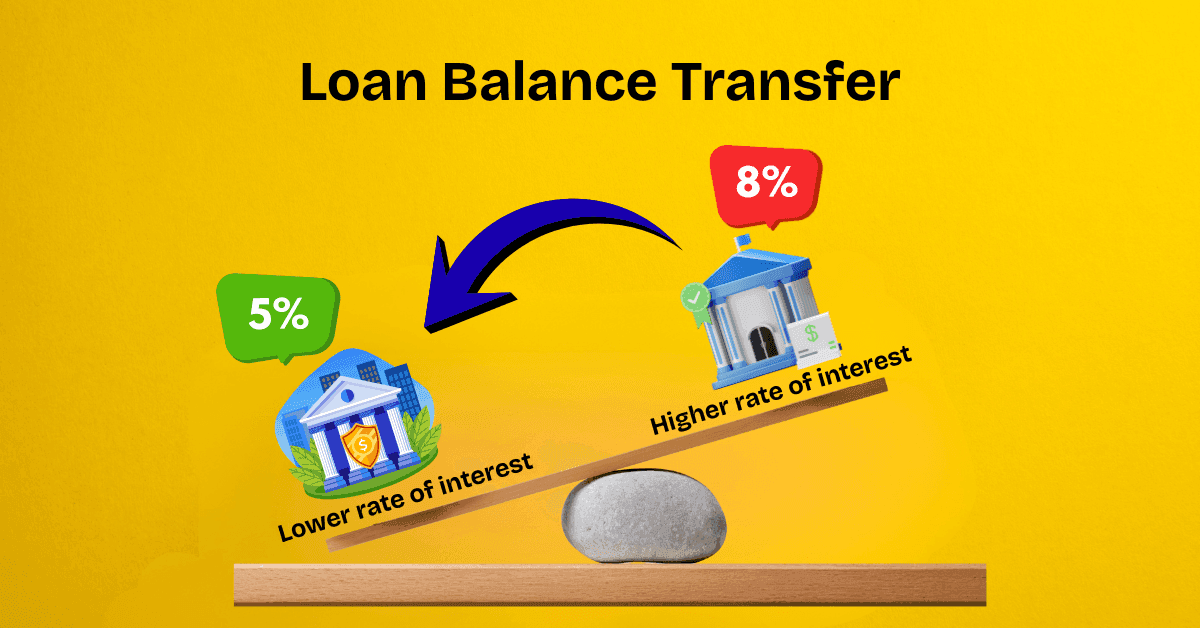
A loan balance transfer allows you to move your existing loan from one bank or financial institution to another that offers better terms, such as a lower interest rate or improved repayment flexibility. This strategy can help reduce your EMI burden and overall interest cost.
In this guide, we will explain what is loan balance transfer, how it works, the benefits, eligibility, charges, and the complete balance transfer process.
What Is Loan Balance Transfer?
A loan balance transfer is the process of transferring the outstanding amount of an existing loan from one lender to another lender offering better interest rates or repayment conditions. The main purpose is to reduce the borrower’s financial burden and make loan repayment easier.
For example, if you have taken a personal loan at a higher interest rate and another bank offers the same loan at a lower rate, you can transfer the remaining loan amount to the new lender.
The new lender pays the outstanding balance to your current lender, and after that, you continue paying EMIs to the new lender.
Loan balance transfer is commonly available for:
- Personal loan balance transfer
- Home loan balance transfer
- Business loan transfer
- Loan against property transfer
Many borrowers use this option to reduce their interest cost and improve their loan terms.
How Does Loan Balance Transfer Work?
Understanding how loan balance transfer works is important before applying for it.
The process usually works in the following way:
1. Compare lenders
Borrowers compare interest rates and loan offers from different banks or lenders.
2. Apply for balance transfer
Once a suitable lender is found, the borrower applies for a balance transfer loan.
3. Loan evaluation
The new lender evaluates your income, credit score, repayment history, and outstanding loan details.
4. Approval and repayment to existing lender
After approval, the new lender pays the remaining loan amount to the current lender.
5. Start paying EMIs to the new lender
Once the transfer is complete, you continue paying EMIs to the new lender at the revised terms.
This process essentially replaces your existing loan with a new loan that may have a lower balance transfer interest rate or better repayment structure.
If you want to understand loan options before choosing a transfer, you can explore different loan solutions on www.finsbee.com
Types of Loan Balance Transfer
1. Personal Loan Balance Transfer
A personal loan balance transfer allows borrowers to move their existing personal loan to another lender offering a lower interest rate or better terms. This can significantly reduce EMIs and overall interest payments.
2. Home Loan Balance Transfer
A home loan balance transfer works similarly but is used for housing loans. Borrowers often choose this option when another lender offers a lower housing loan interest rate.
Since home loans usually have long tenures, even a small reduction in interest rate can lead to significant savings.
Benefits of Loan Balance Transfer
A loan balance transfer offers several financial advantages if used wisely.
1. Lower Interest Rate
One of the biggest benefits of loan balance transfer is the opportunity to get a lower interest rate. A lower interest rate reduces the total cost of the loan and makes repayment easier.
2. Reduced EMI Burden
When the interest rate decreases or tenure increases, your monthly EMI may also reduce. This helps improve your monthly cash flow.
3. Better Loan Terms
Some lenders offer better loan terms such as flexible repayment options, improved digital services, and faster support.
4. Option to Get a Top-Up Loan
In some cases, borrowers may also get a top-up loan along with the balance transfer. This allows access to additional funds without applying for a completely new loan.
5. Improved Loan Management
Switching to a lender with better customer service or digital tools can make loan management easier.
When Should You Transfer Your Loan?
A loan balance transfer is beneficial in several situations:
- When another lender offers significantly lower interest rates
- When your current loan EMI is difficult to manage
- When you want better loan features or services
- When your credit score has improved since taking the loan
- When there is a long tenure remaining on your existing loan
However, borrowers should always compare the total cost of transfer before making the decision.
You can also explore loan comparison and financing options here https://www.finsbee.com/apply-for-personal-loan-online
Balance Transfer Interest Rate
The balance transfer interest rate depends on several factors including:
- Credit score
- Monthly income
- Employment stability
- Existing loan repayment history
- Outstanding loan amount
Interest rates for personal loan balance transfers are often similar to personal loan interest rates and may start around 9.99% per annum depending on the lender and borrower profile.
A good credit score and strong financial profile can help you secure better interest rates.
Balance Transfer Charges
While transferring a loan can reduce interest costs, borrowers should also consider the associated balance transfer charges.
Common charges include:
- Processing fee charged by the new lender
- Foreclosure or prepayment charges by the current lender
- Documentation charges
- Stamp duty or administrative fees
These costs should be evaluated carefully to ensure that the transfer actually results in financial savings.
Balance Transfer Eligibility
The balance transfer eligibility criteria vary depending on the lender, but generally include:
- Good credit score
- Stable income
- Consistent EMI repayment history
- Minimum loan repayment period completed
- Adequate remaining loan tenure
Lenders may also review your existing loan details and employment profile before approving the transfer.
Loan Balance Transfer Process
Here is the typical loan balance transfer process step-by-step:
1. Evaluate Your Existing Loan
Check your current interest rate, outstanding amount, and remaining tenure.
2. Compare Lenders
Research lenders offering lower interest rates and better loan terms.
3. Submit Application
Apply for the balance transfer with the new lender and provide details of your existing loan.
4. Document Verification
The lender verifies your documents, income, credit score, and repayment history.
5. Loan Approval
Once approved, the new lender pays the outstanding amount to your current lender.
6. Start New EMI Payments
After the transfer is completed, you begin paying EMIs to the new lender.
This process usually takes a few days to a few weeks depending on the lender and documentation requirements.
Is Balance Transfer Good for Personal Loan?
A balance transfer can be beneficial for personal loans, especially when the new lender offers significantly lower interest rates.
However, it is important to consider:
- Processing charges
- Foreclosure charges
- Remaining loan tenure
- Interest rate difference
If the interest rate difference is large and the remaining tenure is long, the savings can be substantial.
Things to Consider Before Transferring a Loan
Before opting for a loan balance transfer, keep the following points in mind:
- Compare interest rates from multiple lenders
- Check the total cost including charges
- Review your credit score
- Calculate potential EMI savings
- Understand the terms of the new loan
A careful comparison can help ensure that the transfer actually improves your financial situation.
Conclusion
A loan balance transfer can be a smart financial move for borrowers looking to reduce their interest burden and improve loan repayment terms. By transferring your existing loan to another lender offering better conditions, you may lower your EMIs, save on total interest, and enjoy improved loan features.
However, before applying for a balance transfer loan, it is important to compare lenders, understand the charges involved, and calculate the overall savings. Platforms like Finsbee can help you explore different loan options, compare offers, and make a more informed decision. When used wisely, a balance transfer can help you manage your loan more efficiently and achieve better financial control.