
Loan Guide
Home Loan vs Loan Against Property – Key Differences
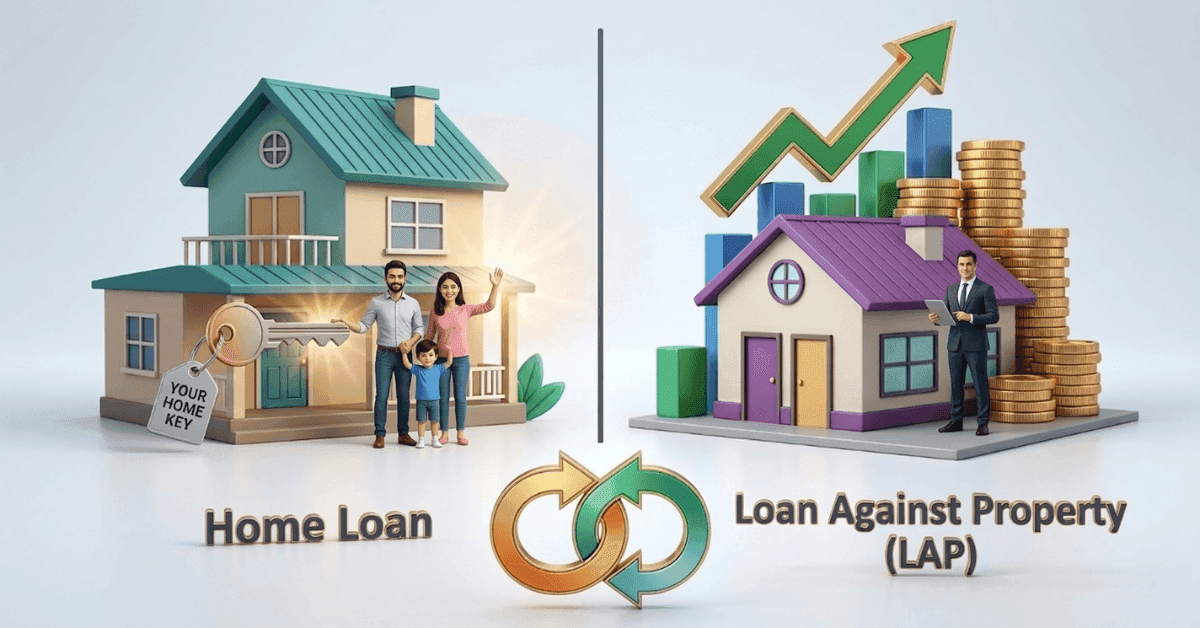
When planning to borrow money for major financial needs, choosing the right type of loan is crucial. Two commonly used options are a home loan and a loan against property. While both involve property as collateral, they are designed for very different financial purposes and borrower needs. If you're exploring financing solutions, you can also check loan options available on Finsbee to compare and choose what suits you best.
A home loan is primarily focused on helping individuals achieve their dream of owning a house, whereas a loan against property helps unlock the value of an already owned asset to meet various financial requirements.
Understanding the difference between home loan and loan against property can help you make a smarter financial decision. In this blog, we’ll explain both loan types in detail, including their features, eligibility criteria, benefits, and which option may be better suited for your financial goals.
What is a Home Loan?
A home loan is a type of secured loan offered to individuals for buying, building, or renovating a house. In this type of loan, the property being purchased usually acts as collateral until the loan is fully repaid.
Home loans are among the most popular financing options because they come with relatively lower interest rates and longer repayment tenures, making them more affordable for borrowers.
They are ideal for individuals who are planning to invest in residential property or upgrade their living conditions.
Types of Home Loans
There are different types of home loans available based on borrower needs and financial goals:
- Home Purchase Loan – Used for buying a new or resale property
- Home Construction Loan – For constructing a house on owned land
- Home Renovation Loan – For repairing or upgrading an existing home
- Balance Transfer Home Loan – To transfer an existing loan to another lender at a lower rate
- Top-up Home Loan – Additional loan amount over an existing home loan
Each type is designed to meet specific housing-related requirements, giving borrowers flexibility based on their situation.
Home Loan Eligibility Criteria
Eligibility for a home loan depends on several factors evaluated by lenders to ensure repayment capacity:
- Age and employment stability
- Income level and repayment capacity
- Credit score and credit history
- Property details and documentation
A strong financial profile with a good credit score increases the chances of approval and may also help secure better interest rates.
Benefits of Home Loan
- Lower Interest Rates – Compared to most other loan types
- Tax Benefits – Available on both principal and interest repayment
- Long Repayment Tenure – Helps in reducing EMI burden
- Property Ownership – Helps in building a long-term asset
Home loans are ideal for individuals looking for long-term financial stability and asset creation.
What is a Loan Against Property?
A loan against property (LAP) is a secured loan where you mortgage your existing residential, commercial, or industrial property to obtain funds. Unlike a home loan, the funds can be used for multiple purposes such as business expansion, education, medical expenses, or debt consolidation.
Since the loan is secured against property, lenders are willing to offer relatively lower interest rates compared to unsecured loans, along with higher loan amounts.
This makes LAP a useful option for individuals or business owners who need substantial funds without selling their property.
Types of Loan Against Property
Loan against property comes in different forms depending on the nature of the property pledged:
- Loan Against Residential Property
- Loan Against Commercial Property
- Loan Against Industrial Property
Each type offers different loan amounts and terms based on property valuation and risk factors.
Loan Against Property Eligibility Criteria
To qualify for a loan against property, lenders typically evaluate:
- Ownership of a property with clear title
- Stable income source or business income
- Good credit history and repayment track record
- Property valuation and condition
Meeting these criteria improves your chances of approval and helps in securing better loan terms.
Benefits of Loan Against Property
- High Loan Amount – Based on property value
- Flexible Fund Usage – No restriction on end-use
- Lower Interest Rates than Unsecured Loans
- Longer Tenure Compared to Personal Loans
This makes LAP a practical solution for managing large financial requirements efficiently.
Difference Between Home Loan and Loan Against Property
1. Purpose
- Home Loan – Used specifically for buying, constructing, or renovating a property.
- Loan Against Property – Can be used for any personal or business financial needs.
2. Interest Rate
- Home Loan – Generally lower interest rates.
- Loan Against Property – Slightly higher interest rates.
3. Loan Amount
- Home Loan – Based on property value and borrower eligibility.
- Loan Against Property – Usually a percentage of the current market value of the pledged property.
4. Usage Flexibility
- Home Loan – Limited to property-related purposes.
- Loan Against Property – Offers higher flexibility in fund usage.
5. Tax Benefits
- Home Loan – Eligible for tax benefits on principal and interest repayment.
- Loan Against Property – Tax benefits apply only if used for specific purposes.
Understanding these differences helps borrowers choose the most suitable option based on their financial goals and requirements.
Loan Tenure: Home Loan vs Loan Against Property
Loan tenure plays an important role in deciding your EMI and overall repayment strategy.
- Home Loan Tenure – Can extend up to 20–30 years, making EMIs more affordable
- Loan Against Property Tenure – Typically ranges from 10–20 years
A longer tenure reduces monthly EMI burden but increases total interest payable, so it’s important to strike the right balance.
Which is Better: Home Loan or Loan Against Property?
The answer to which is better home loan or loan against property depends on your specific needs and financial situation.
Choose Home Loan If:
- You want to buy or construct a property
- You want lower interest rates
- You want tax benefits
- You prefer longer repayment tenure
Choose Loan Against Property If:
- You already own a property
- You need funds for personal or business use
- You want a secured loan with flexible usage
- You need a higher loan amount based on property value
Final Thoughts
Both home loans and loan against property serve different financial purposes and should be chosen based on your goals. A home loan is ideal when your objective is property ownership and long-term asset creation, while a loan against property is suitable when you need funds by leveraging an existing asset.
Before making a decision, it is important to carefully evaluate your financial needs, repayment capacity, and long-term plans. Comparing loan terms, interest rates, and benefits can help you choose the most suitable option.
For more insights on loans and financial planning, you can explore our loan blogs, check personal loan options online, and get detailed information on loan against property options.